


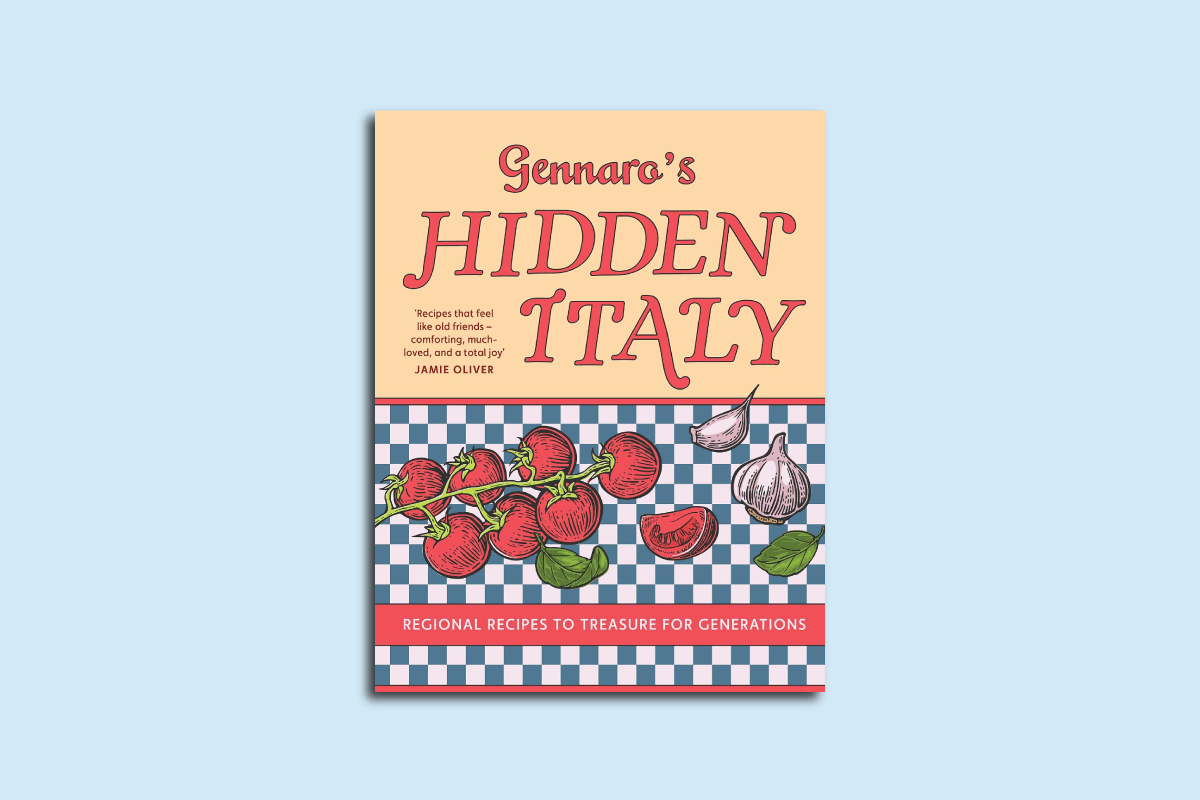
In this week's cookbook review, Gennaro Contaldo, the legendary chef who first taught Jamie Oliver everything he knows about Italian cooking, takes us to the corners of Italy most cookbooks never reach.
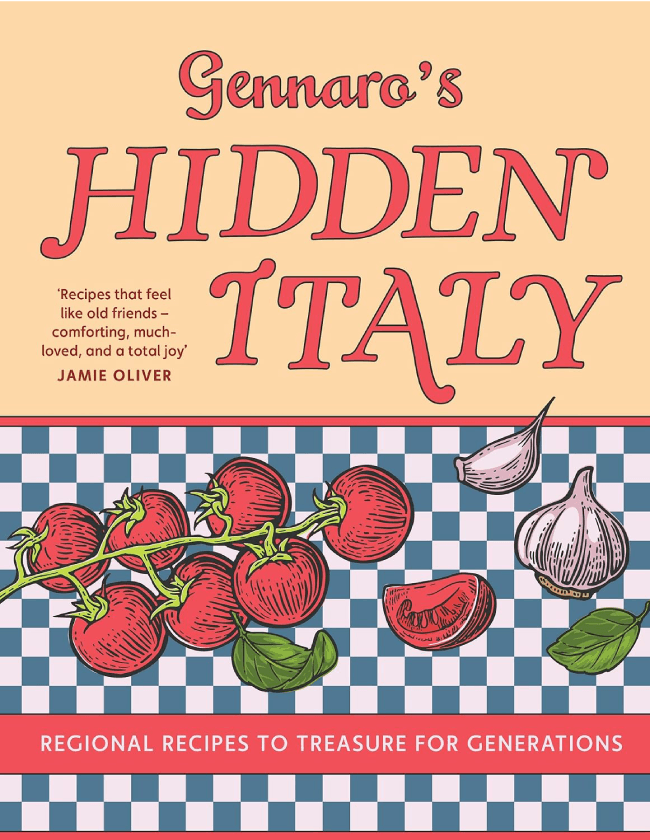
Gennaro's Hidden Italy: Regional Recipes to Treasure for Generations, is a collection of forgotten heritage dishes, from humble pasta variations to mouthwatering regional sauces, quietly cherished by families for generations but rarely celebrated beyond the village where they were born. If you've spent time with our Simple Pasta Cookbook review, you'll recognize the same sensibility at work here, applied now to dishes that were on the verge of disappearing entirely.
Eighty recipes, organized into four regions: Central, North, Islands, and South. This is Contaldo at his most personal, and his most necessary.
The regional structure gives the book genuine integrity. Each of the four sections feels specific to place rather than assembled for convenience, with recipes that carry a short anecdote explaining where the dish came from and who used to make it. Those contextual notes are not decorative; they are the point.
The range is striking in the best possible way. Pope's Pasta sits alongside Assassin's Spaghetti, a dish scorched at high heat until the sauce develops a slight char that transforms it entirely. Sweet and Savory Ravioli turns a familiar form on its head. Courgettes with Amaretti sounds improbable until you taste it. Chestnut Pudding and Watermelon Jelly belong to a tradition of Italian desserts almost unknown outside their region of origin. Every recipe is labelled if vegetarian, vegan, egg-free, or gluten-free.
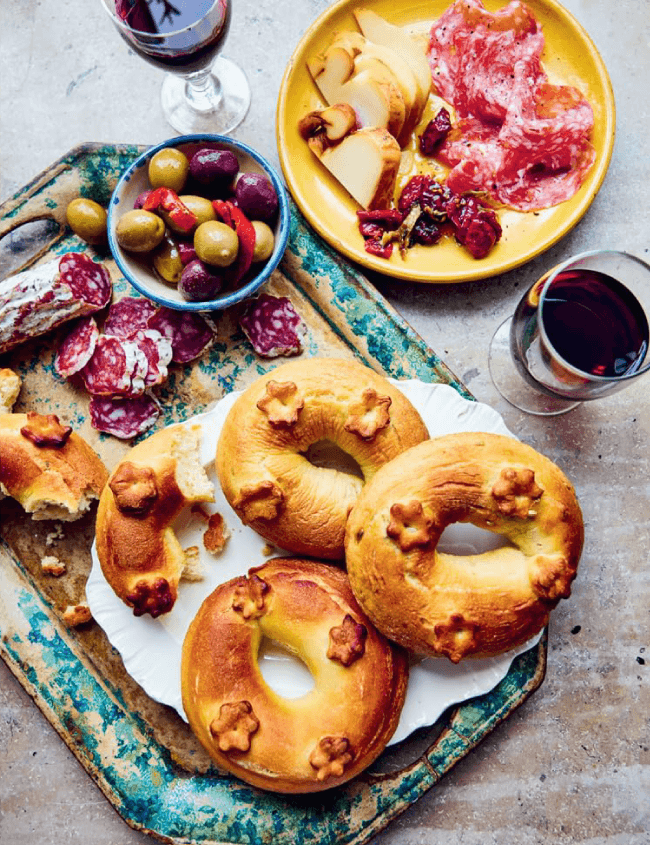
What Contaldo does exceptionally well in this book is resist the temptation to modernize. These are not updated or streamlined versions of traditional dishes. They are as close to the originals as he can get them, with the techniques intact and the ingredients uncompromized. That restraint takes confidence, and it pays off.
The recipes are, by design, approachable. Gennaro grew up cooking on the Amalfi Coast from the age of eight, and that ease with simple ingredients comes through on every page. The pantry required is modest: citrus, cured meats, dried pasta, wild herbs, good olive oil. The techniques assume a capable home cook rather than a trained chef. The result is a book you can actually use, not just admire.
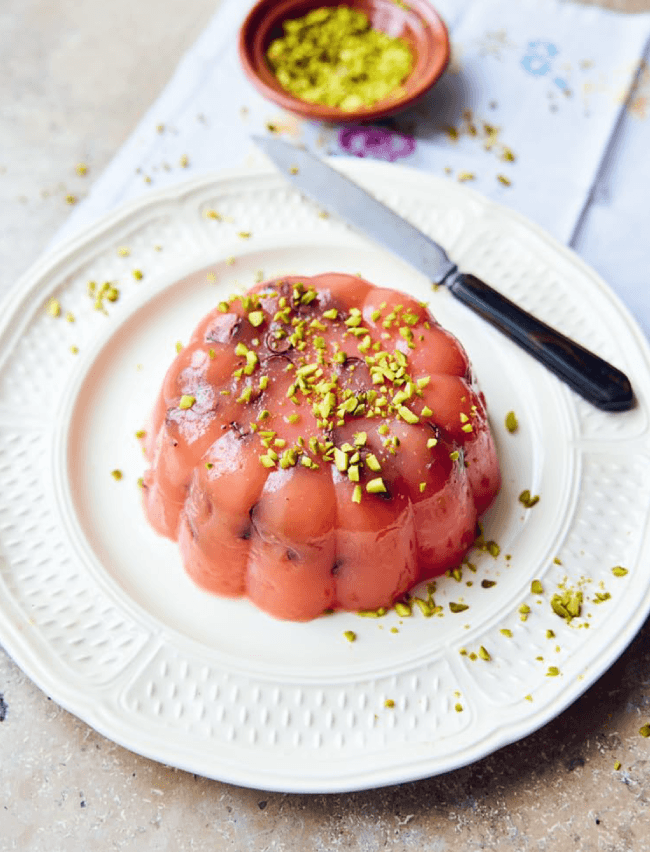
David Loftus, who has photographed some of the most beautiful food books of the last two decades, brings exactly the right tone to Gennaro's Hidden Italy. The images are warm and unhurried. Food that looks as though someone just finished making it rather than styling it. The regional settings feel specific to place rather than generically Italian. A kitchen in Calabria does not look like a kitchen in Piedmont, and Loftus captures that difference without making it feel like a geography lesson.
This is one of those books where the photography genuinely serves the recipes rather than existing alongside them, which is rarer than it should be.
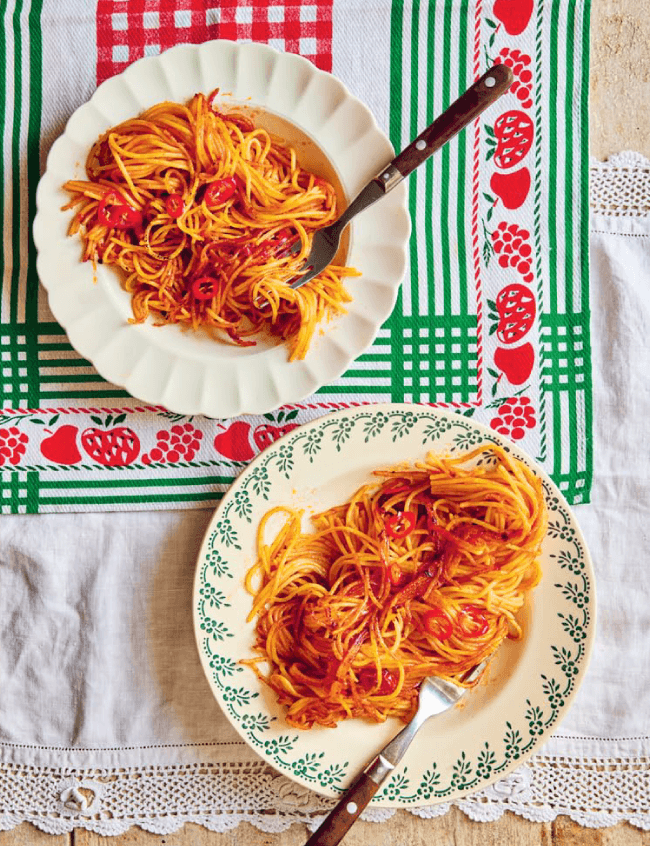
Gennaro's Hidden Italy does something most Italian cookbooks do not attempt: it goes looking for what is already disappearing. The 80 recipes collected here are not the ones you will find on every restaurant menu or in every trattoria cookbook. They are quieter, older, more specific. That specificity is the book's greatest strength.
For anyone serious about Italian cooking, this is an essential addition. For anyone who simply loves good food with a story behind it, it is one of the most rewarding cookbooks of 2026.
Gennaro's Hidden Italy goes looking for what is already disappearing. Essential reading for anyone serious about authentic Italian cooking.

Sign Up today to get into our cooking world. You will receive for free our best tips, reviews, recipes and much more...


The Cooking World is a team of professionals passionate about the world of food from diverse areas.
Our purpose is to share our passion and knowledge with everyone to teach how they can cook more and have a good time while doing it.


