


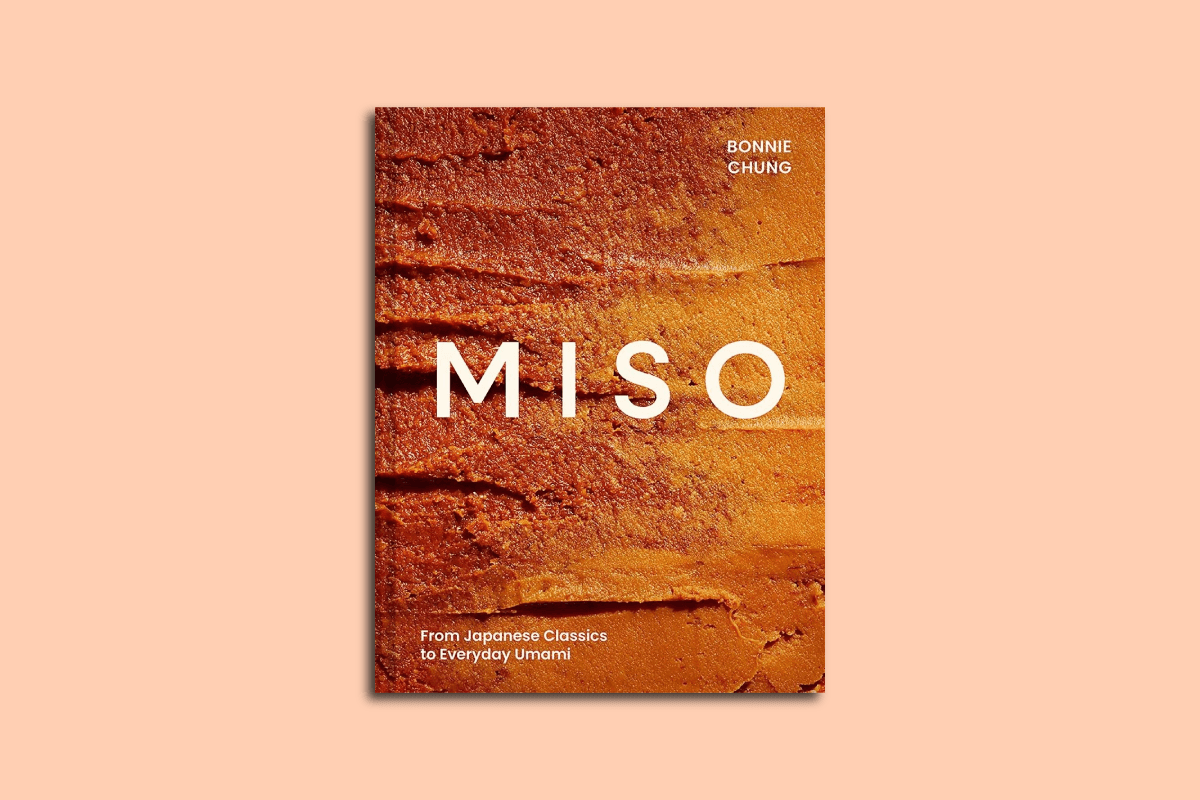
In this week’s cookbook review, we turn our attention to Miso, the revised and expanded cookbook by fermentation expert Bonnie Chung.
At its core, this book is an introduction to one of the most versatile ingredients in modern cooking. Once largely associated with traditional Japanese cuisine, miso has steadily found its place in Western kitchens, valued for its ability to add depth, balance, and a rich umami character to everyday dishes.
With Miso, Bonnie sets out to demystify the ingredient. Rather than focusing on mastering the technical process of making miso itself, the book is designed to show home cooks how to use miso confidently and creatively in their cooking.
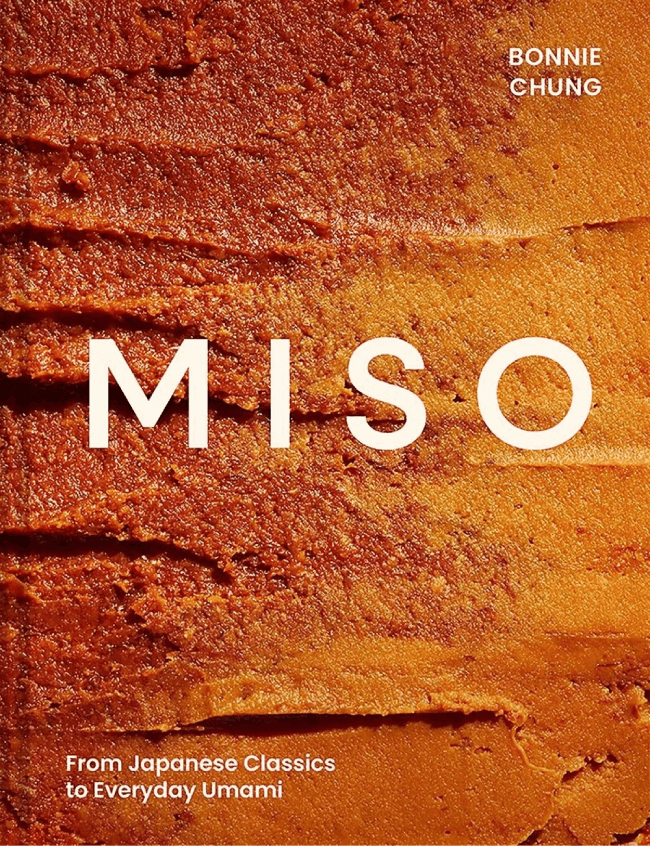
Something we like in this cookbook is the way it introduces the ingredient itself.
Before moving into recipes, Boonie explains what miso is, how it’s produced through fermentation, and the key differences between the most common varieties. Readers learn how white, yellow, and red miso vary in intensity and sweetness, and how each type can be used to build flavor in different ways.
This section also explores the cultural roots of miso and its growing global presence, highlighting producers experimenting with sustainable, small-batch miso pastes around the world.
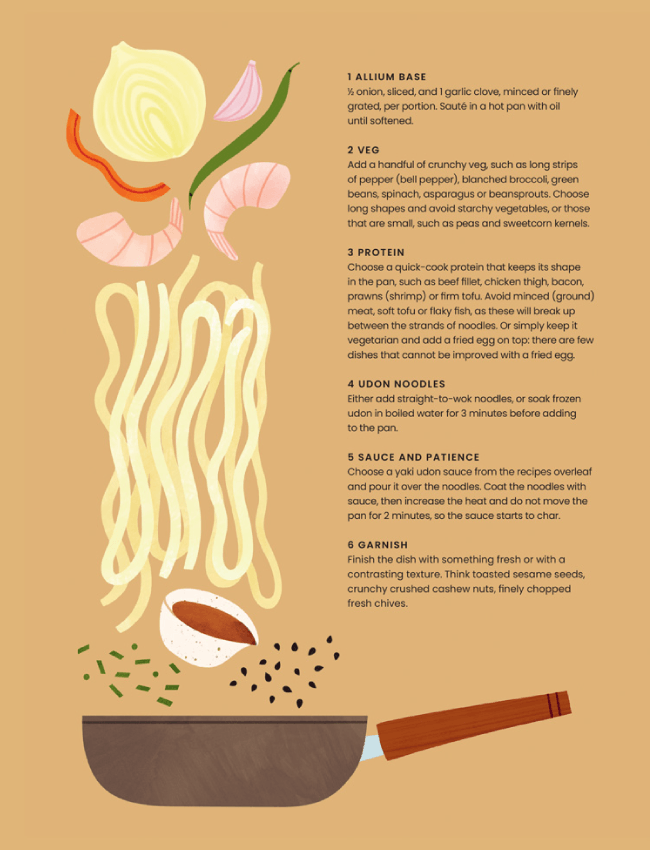
The structure of Miso is clear and approachable, divided into four chapters that explore the ingredient through different culinary perspectives.
The first chapter focuses on classic Japanese dishes, including staples like Miso Soup, Miso Aubergines, and Miso Black Cod. These recipes provide a foundation, showing how miso has traditionally been used to build savory depth.
From there, the book expands into more creative territory. The Flavour Partners explores how miso interacts with sweetness, acidity, fat, and spice in recipes such as Lime and Miso Glazed Roast Salmon or Miso Apple Pork Chops.
Later chapters highlight miso as a powerful flavor enhancer in unexpected places, from savory drinks and pasta dishes to desserts like Miso Apple Pie and Brown Butter Banana Bread with Miso Custard.
Together, these sections demonstrate just how adaptable the ingredient can be across different cuisines and cooking styles.

What makes Miso particularly appealing is its focus on practical cooking.
Throughout the book, Boonie shares simple ways to incorporate miso into everyday recipes. A small spoonful added to tomato sauce can deepen flavor, while miso-based marinades and glazes can bring complexity to roasted vegetables, seafood, and meats.
This emphasis on small, accessible techniques makes the cookbook especially useful. Rather than limiting miso to a few traditional dishes, the book encourages readers to think of it as a versatile seasoning that can enhance many types of cooking.
The recipes themselves remain approachable, balancing creativity with practicality and making the book suitable for both curious beginners and talented home cooks.

Miso is an accessible introduction to cooking with miso. While the book offers a brief overview of the ingredient and its varieties, its main focus is on recipes.
Because of this, it will appeal most to readers looking for practical ways to cook with miso, rather than those seeking a deep technical exploration of miso fermentation or production.
With more than 80 recipes spanning traditional dishes, modern flavor combinations, and desserts, the book provides plenty of inspiration for home cooks who want to start experimenting with this versatile ingredient.
Miso is a clear and engaging introduction to cooking with miso, combining practical guidance, ingredient knowledge, and over 80 recipes that show how this fermented paste can transform everyday dishes.

Sign Up today to get into our cooking world. You will receive for free our best tips, reviews, recipes and much more...





The Cooking World is a team of professionals passionate about the world of food from diverse areas.
Our purpose is to share our passion and knowledge with everyone to teach how they can cook more and have a good time while doing it.


