


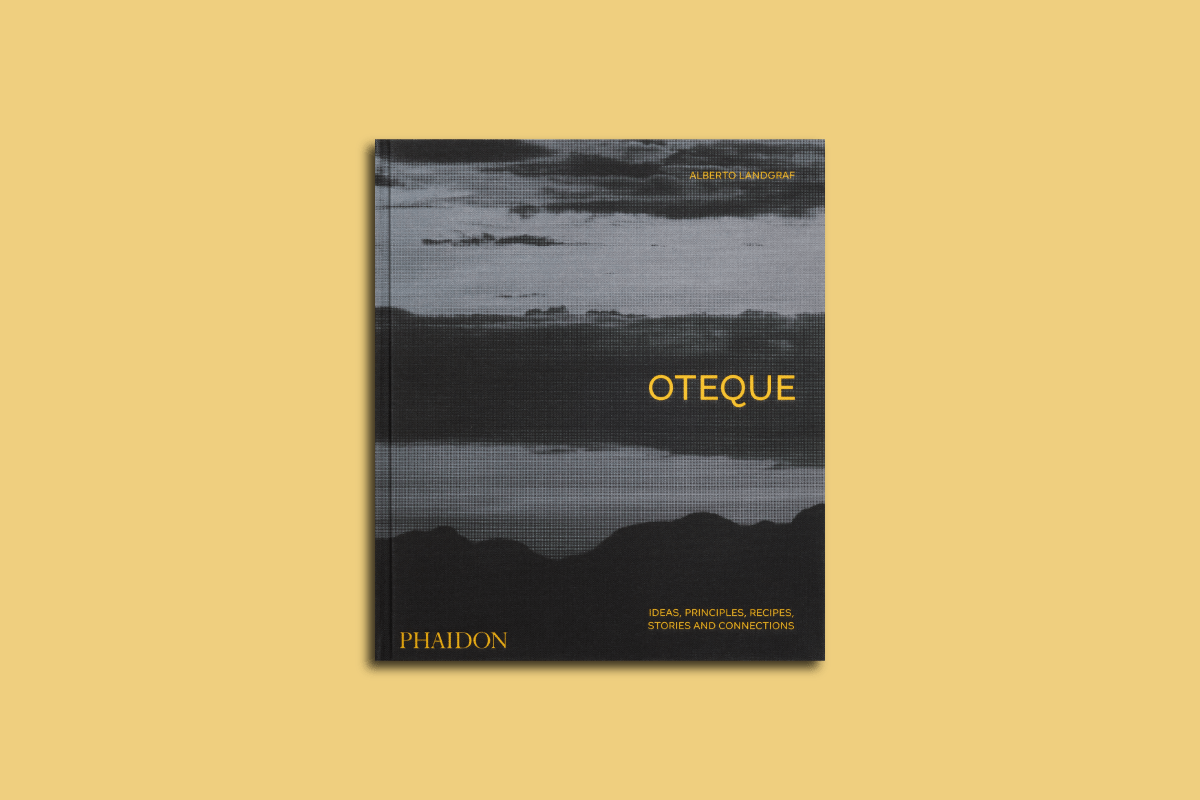
In this week's cookbook review, we turn our attention to Oteque: Ideas, Principles, Recipes, Stories and Connections, the debut cookbook from Alberto Landgraf, the Brazilian-born chef behind one of Latin America's most celebrated restaurants. Michelin-starred and a regular in the World's 50 Best, Oteque in Rio de Janeiro has become a benchmark of contemporary Brazilian cuisine, and one of the most discussed addresses in global gastronomy.
Landgraf did not follow a conventional path into cooking. He studied Physics before switching to food in his early twenties, training under Tom Aikens and Gordon Ramsay in Europe before returning to Brazil, where he opened Epice in São Paulo in 2011, followed by Oteque in 2018. That background — analytical, cross-cultural, deeply curious — is everywhere in this book, which he co-wrote with food writer and critic Andrea Petrini, French president of the World's 50 Best jury and founder of the Gelinaz food culture festival.
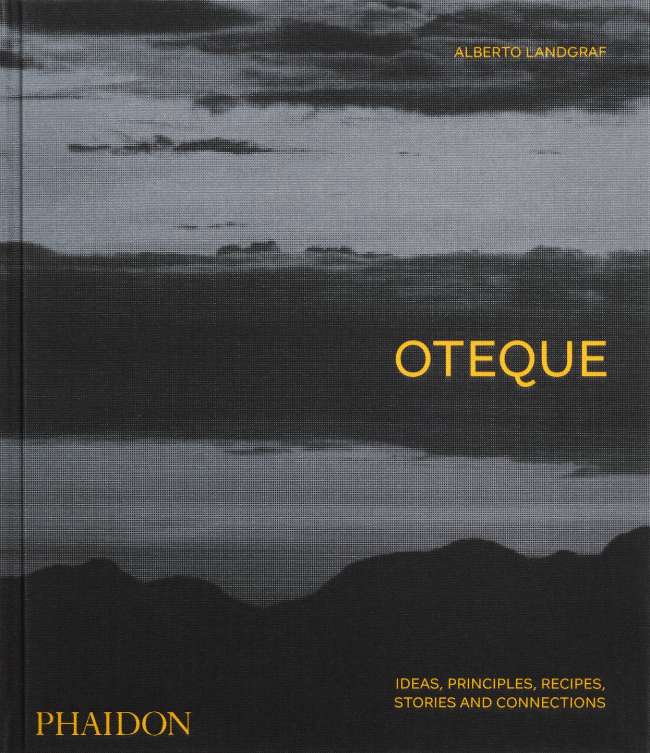
The most immediate thing to understand about Oteque is how it refuses conventional cookbook structure. There are no chapters organized by starter, main, or dessert. Instead, the book is built around five guiding culinary principles: acidity, texture, leadership, and creative process. It is a framework that reveals how Landgraf thinks, not just what he cooks.
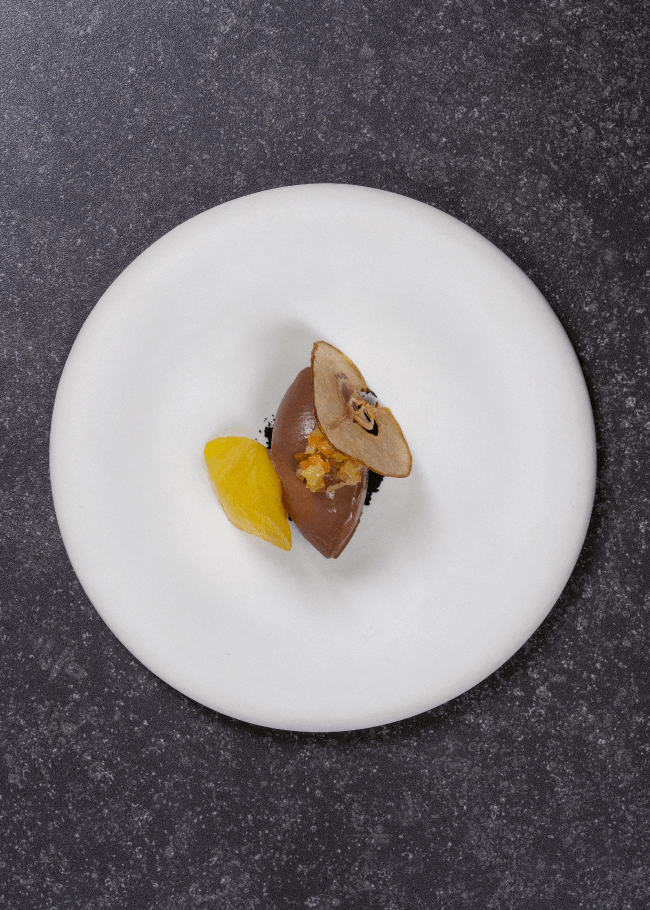
Each chapter opens with an essay by Petrini, drawn from extensive interviews with Landgraf and exploring his life, influences, and evolving methodology. These texts bring genuine critical depth to what might otherwise be hagiography. Dishes include Pork Belly with Green Beans, Pickled Shallots and Cabbage; Seabass and Fermented Tomato; Mussels and Carrot; Porcini Mushrooms and Egg Yolk; Coconut Sorbet and Acerola; and Brazil Nut Ice Cream.
At the heart of the cooking is a sustained commitment to Brazil's indigenous ingredients — an ingredient world that remains underexplored in the global cookbook canon. As Dr. Paulo Neimeyer writes in the foreword, Landgraf's gastronomy draws on near-archaeological research into ancestral indigenous habits, popular culinary traditions, and family memory, all brought together with precision and technique.
Sustainability is central to Landgraf's practice at Oteque, where he works closely with a pioneering tech team to calculate the environmental impact of his ingredients and processes. Oteque reflects this fully: it provides carbon footprint data for all 78 recipes, described as a first in cookbook publishing.
Whether or not readers engage with that data directly, its inclusion signals clearly what kind of chef Landgraf is and the seriousness with which he approaches every stage of the food chain. This is not a decorative sustainability gesture, it is an integral part of how the book was conceived.
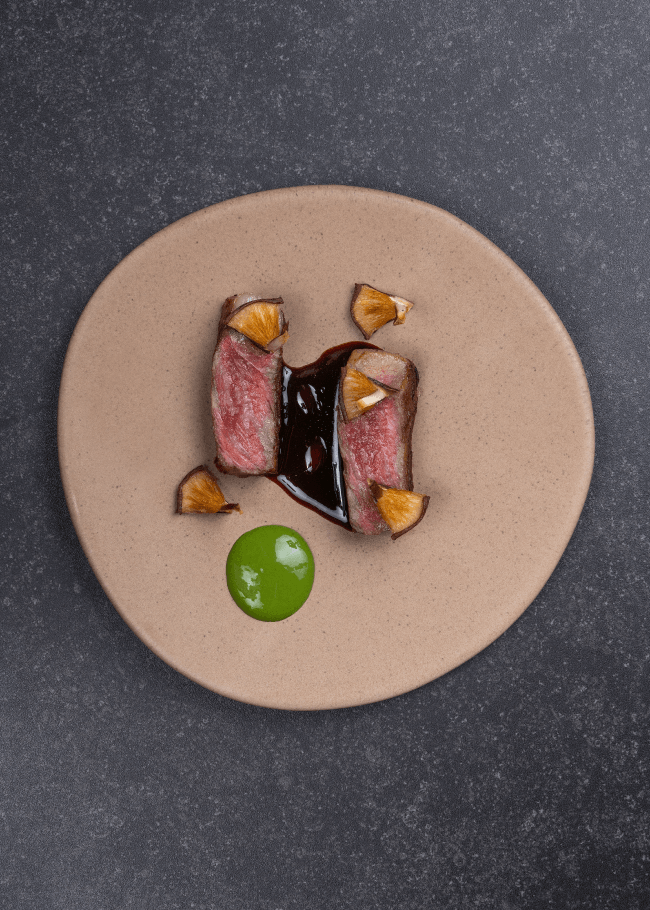
The book features more than 200 photographs by Robert Astley-Sparke, a British photographer whose clients include Tom Ford and Cartier. His images move between Brazil's sweeping natural landscapes and the quiet precision of Landgraf's plated dishes, creating a coherent visual dialogue between place and plate that mirrors the chef's own creative process.
That tension between landscape and cuisine is central to Landgraf's argument: that his food is inseparable from the environment that produces it. Astley-Sparke's photography makes that argument visible across 256 pages — a book with the physical scale, at 290 x 250 mm, to match its ambitions.
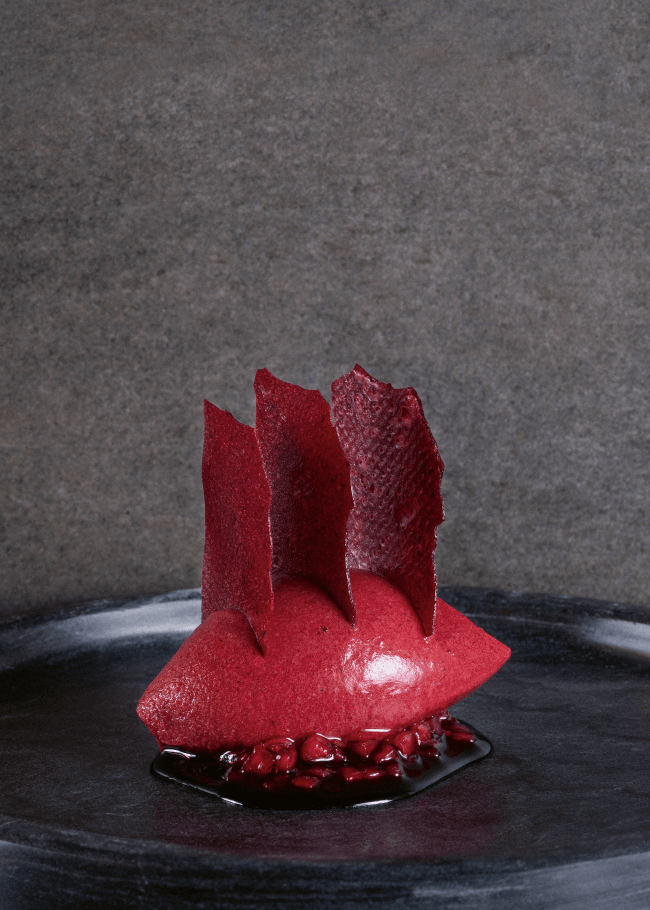
Oteque: Ideas, Principles, Recipes, Stories and Connections is not a book for readers looking for approachable recipes to cook at home. It is a document of a chef's thinking, rigorous, original, and deeply rooted in a specific landscape and culinary tradition. Its unconventional structure takes some adjustment, but rewards the effort.
For anyone interested in contemporary Latin American gastronomy at its most intellectually serious, or in the emergence of Brazil as a defining force in world gastronomy, this is an essential addition to the shelf.
Oteque is a serious, philosophically structured debut that documents one of the most compelling voices in contemporary Latin American gastronomy. Rigorous and visually striking, it demands attention.

Sign Up today to get into our cooking world. You will receive for free our best tips, reviews, recipes and much more...



The Cooking World is a team of professionals passionate about the world of food from diverse areas.
Our purpose is to share our passion and knowledge with everyone to teach how they can cook more and have a good time while doing it.


